
BUYING GUIDE
Carbon, fibreglass and foam: understanding racket materials
Face, frame and core are different parts. Separating them helps you compare specifications without turning a technical label into a performance promise.
Read each material alongside the part of the racket it belongs to. Then compare the complete construction.
In this guide
Face and frame: two separate fields
The hitting surface and frame can use different materials. A description that only says “carbon” does not explain which part it refers to. Look for separate fields and leave absent information unknown. In our Bullpadel sample, Polyglass is listed for the face, while the frame information conflicts.
What carbon and fibreglass labels can tell you
As general guidance, HEAD describes carbon hitting surfaces as stiffer and fibreglass as more flexible. That manufacturer explanation helps interpret materials; it does not establish how a particular racket from another brand plays. Our comparison shows the stated composition and leaves feel to an actual trial.
Foam is part of the comparison too
Wilson distinguishes different foams in its buying guide and explains differences in feel. Record the core name alongside the face material: our sample includes HR3, SoftEVA and EVA Soft Performance. We do not turn those names into a common hardness scale because the available specifications provide no comparable measurement.
A K number cannot choose for you
You will see labels such as 18K on the NOX sample. We retain that label as product information, but do not use it to award points or claim it beats another construction. Also compare the core, stated weight and edition; if you want a specific feel, try the racket before buying.
Common questions
Is a carbon racket always better?
The label is not enough to decide. It describes part of the construction, but does not show that the racket will suit you better.
Why is a material marked “unconfirmed”?
Because information is missing or the source gives conflicting versions. We show that so you can clarify it with the retailer.
Put it into practice
Next, apply these criteria to your options. Compare two specifications or start with your preferences.
Editions in this guide
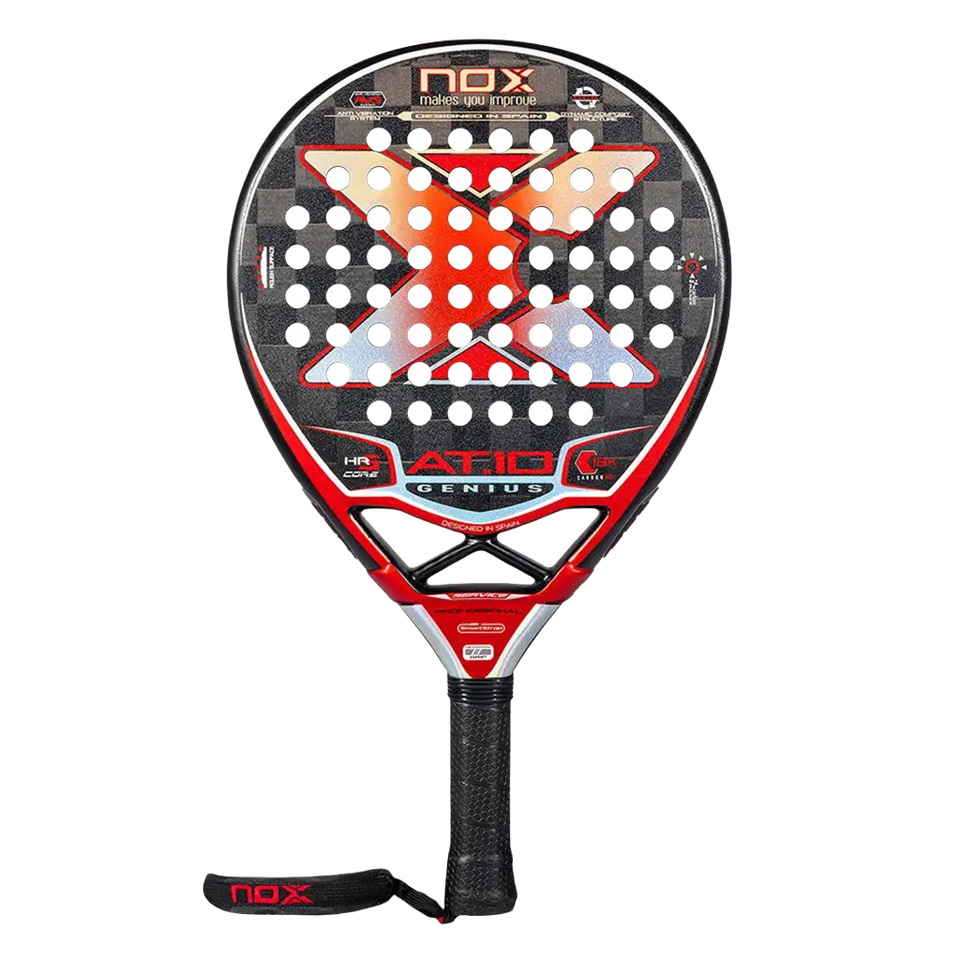
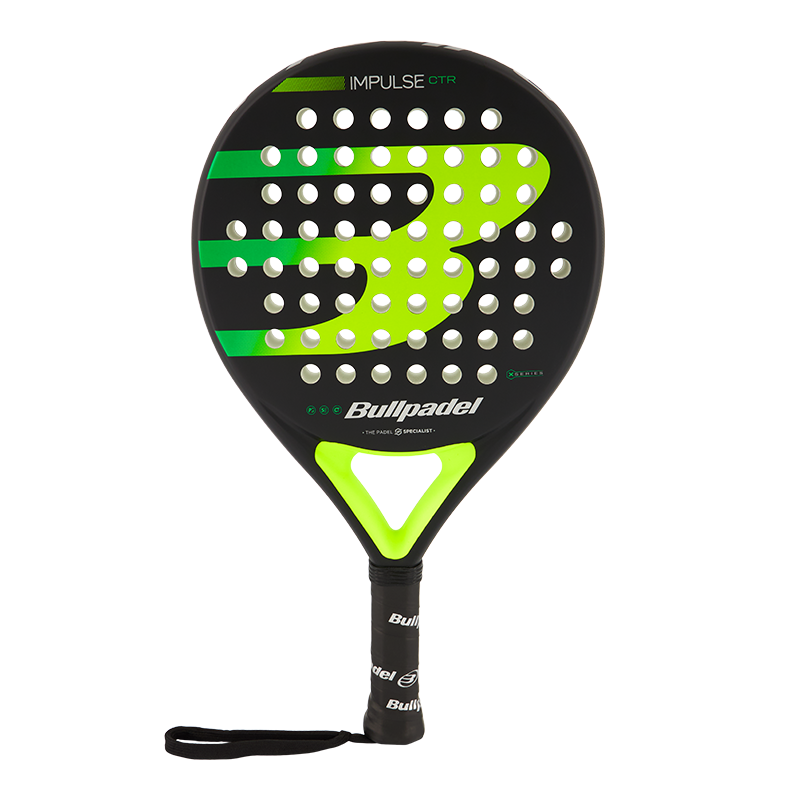
Product pages identify the source, check date and conflicting details. We have not tested these rackets on court.
Manufacturer sources checked on 23 November 2026. General guidance is not testing of the models in our sample.